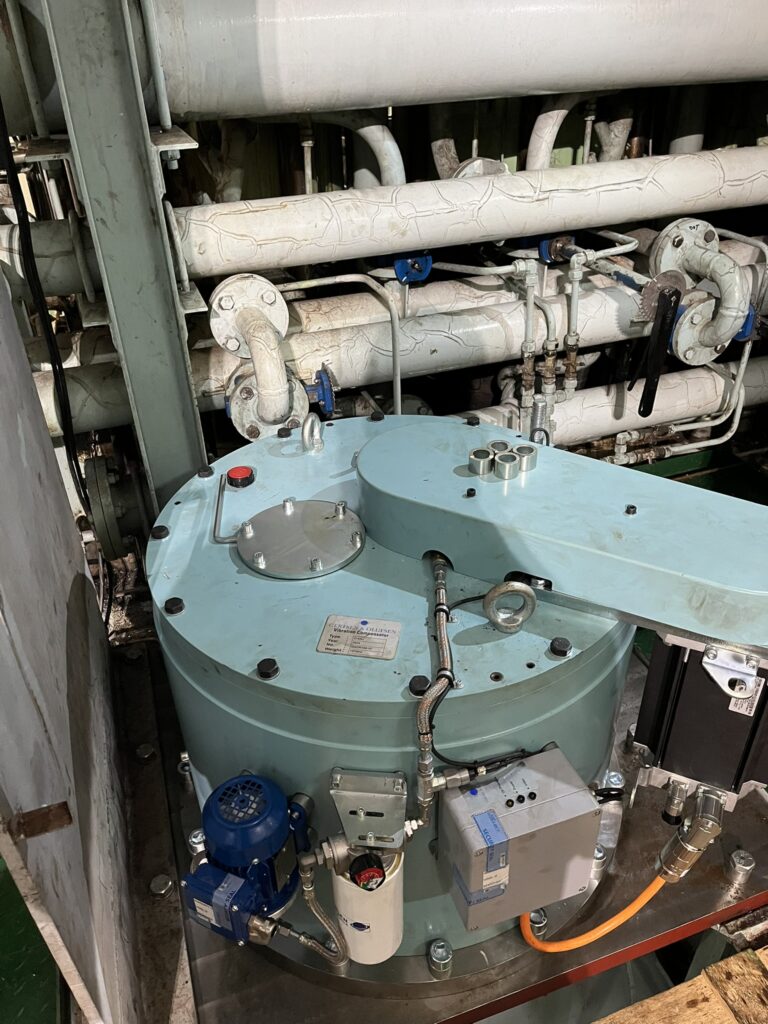
Sea Trials Don’t Reflect Reality: Rethinking Marine Retrofit Strategy
How shipowners can address vibration and structural issues without incurring costly off-hire
Most marine systems perform as expected during sea trials. However, issues often emerge once vessels enter real service.
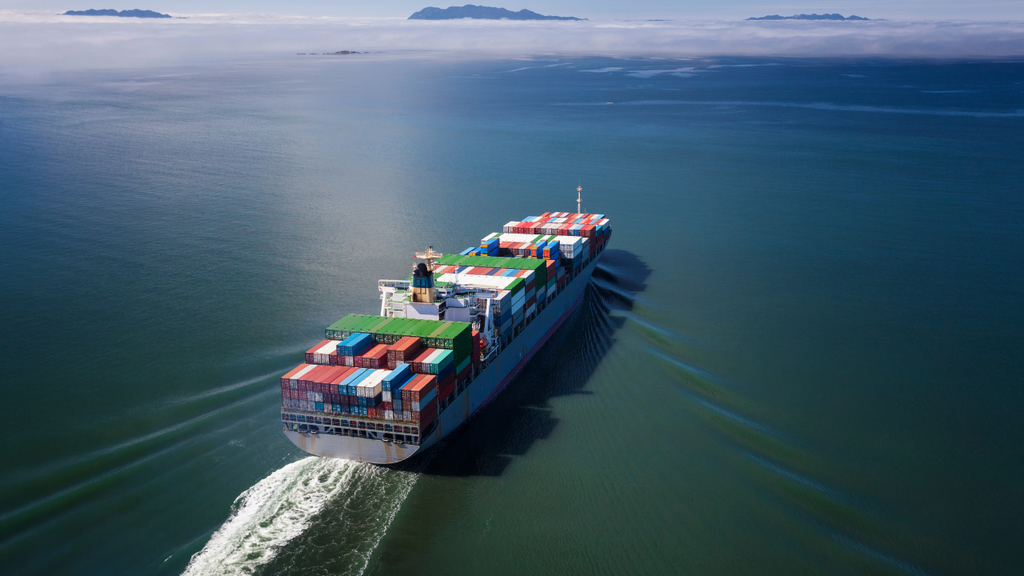
According to G&O Compensators, the root cause lies in the gap between controlled testing and actual operating conditions. Shipyards and operators typically validate systems without cargo, full loads or long-duration stress. As a result, real-world variables can expose issues that do not appear during sea trials.
“Sea trials are conducted under controlled conditions,” Andreas V. Clemmensen, Area Sales Manager, explains. “But once the vessel is in operation, higher loads, changing routes, and increasing speeds create a very different reality.”
Consequently, this shift can lead to vibration, structural fatigue and system deviations, particularly when vessels operate beyond their original design assumptions.

About the expert
Andreas Videriksen Clemensen, Area Sales Manager at G&O Compensators, specialises in retrofit solutions for existing vessels. With several years of hands-on experience installing and commissioning compensators around the world, he brings together strong technical knowledge and practical onboard insight.
Andreas works closely with shipowners and technical managers to identify and address vibration challenges, improve vessel performance and develop tailored retrofit solutions. His focus is on reducing wear, increasing operational flexibility and supporting reliable, long-term vessel performance.
Off-hire drives the business case
While the symptoms are technical, the consequences are commercial.
With daily rates often ranging from USD 15,000 to over 100,000, even limited downtime can have a measurable financial impact. In addition, traditional retrofit models often involve extended yard stays, unclear scope and fragmented responsibility. As a result, they can further increase both operational and financial risk.
“For shipowners, the challenge is not just fixing the issue, but doing so without sacrificing availability,” Andreas notes.
From disruption to controlled intervention
Rather than treating retrofit as a yard-based repair, G&O advocates an execution model that prioritises operational continuity.
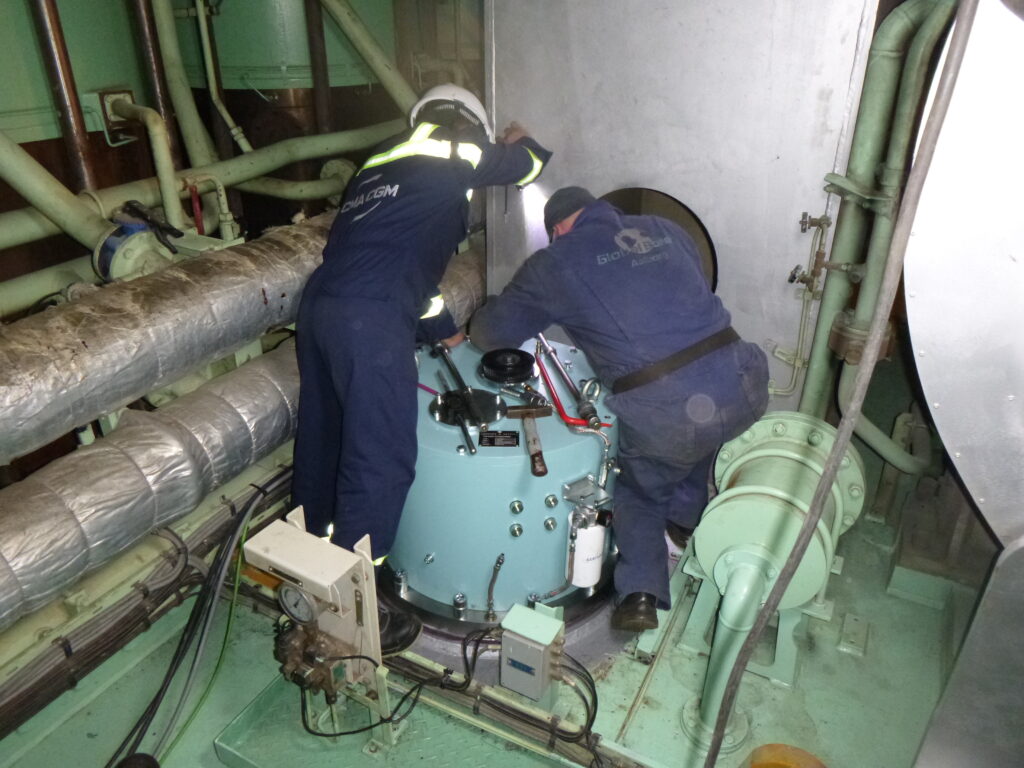
The approach starts by analysing systems under real operating conditions and identifying the root cause. From there, G&O implements solutions during sailing or short port calls wherever possible. As a result, shipowners can address technical issues while limiting disruption to vessel operations.
“Retrofit does not have to mean taking the vessel out of service,” the company states. “With the right planning, it can be integrated into operations.”
Turnkey delivery with predictable outcomes
A key element is commercial and technical control.
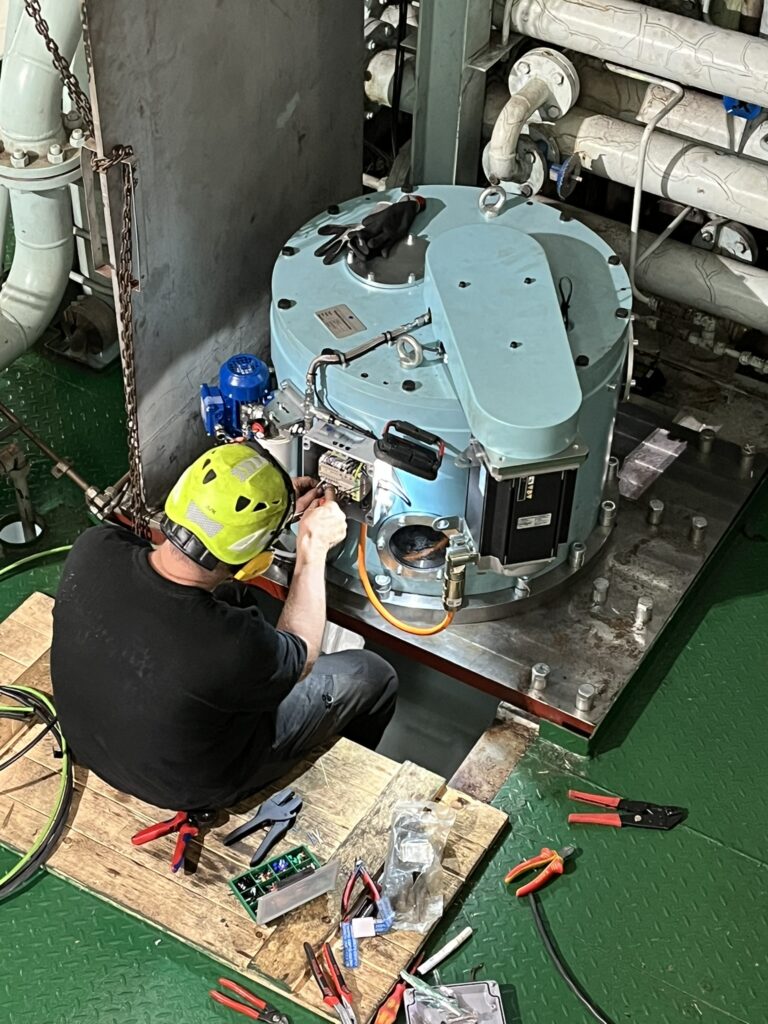
G&O manages each project on a fully turnkey basis, covering engineering, materials, installation and commissioning through a single point of responsibility. In addition, the team defines the scope upfront and works to a fixed price. As a result, owners and procurement teams gain greater cost certainty and reduce project uncertainty.
Combined with performance-based engineering, this approach allows retrofit projects to move from reactive repair towards predictable and controlled upgrades.
Closing the gap between test and reality
As vessel operations continue to evolve, real-world performance is increasingly revealing the limitations of simulated testing.
“Systems are being exposed to conditions they were never fully validated against,” G&O concludes. “The question is no longer whether to act—but how to do it without disrupting operations.”
Therefore, retrofit is no longer just a technical fix. Instead, it has become a strategic tool for protecting uptime, revenue and long-term asset integrity.