Marine Engine Vibrations: Causes, Damage & How to Eliminate Them
Understanding Marine Engine Vibrations and Their Impact on Vessel Performance
What Causes Engine Vibrations on Ships?
Engine vibrations in marine vessels typically originate from imbalances and dynamic forces within the propulsion system. These are often amplified under specific operating conditions.
The most common causes include:
- Two-stroke engine dynamics and uneven combustion forces
- Propeller-induced excitation and hydrodynamic disturbances
- Misalignment in shafts and couplings
- Resonance frequencies within the vessel structure
- Variable engine loads, especially during slow steaming or high-speed sailing
As modern vessels operate under increasingly demanding conditions, vibration levels continue to rise making proactive vibration management more important than ever.
Quick reference
Excessive engine vibrations can lead to structural damage, increased maintenance costs, and reduced operational efficiency.
For shipowners and technical managers, understanding how to identify, manage, and ultimately eliminate vibrations is essential for ensuring safe and reliable operations.
Engine Vibration Damage: Hidden Risks to Your Vessel
While some vibration is expected, excessive levels can have severe long-term consequences.
Structural and Mechanical
Damage
Uncontrolled vibrations can lead to:
- Fatigue cracks in hull structures and pipe systems
- Premature wear of bearings, seals, and engine components
- Misalignment of critical machinery
- Damage to sensitive onboard equipment
Increased Maintenance and Downtime
Engine vibration damage often results in:
- More frequent maintenance intervals
- Higher spare part consumption
- Unplanned downtime and operational disruptions
Reduced Operational Efficiency
Vibrations can negatively impact propulsion efficiency,
leading to:
- Increased fuel consumption
- Reduced performance at critical RPM ranges
Impact on Crew Health and Safety
Beyond technical implications, engine vibrations significantly affect life onboard.
Prolonged exposure to excessive vibrations can result in:
- Fatigue and reduced concentration
- Physical strain and discomfort
- Sleep disturbances
- Lower overall crew satisfaction
International Maritime Organization (IMO) guidelines emphasise the importance of limiting onboard vibrations to ensure safe and habitable working conditions.
Improving vibration levels is therefore not only a technical upgrade –
but a direct investment in crew health and safety.
How to Eliminate Vibrations in Marine Engines
Effectively eliminating vibrations requires a combination of accurate analysis and targeted solutions.
1. Vibration Analysis and Identification
The first step is understanding the vibration profile of the vessel:
- Onboard measurements and ship vibration analysis
- Identification of dominant frequencies and orders
- Classification into vertical and horizontal vibrations
2. Targeted Engineering Solutions
Once identified, vibrations must be addressed at the source.
This includes:
- Optimising engine alignment and installation
- Adjusting operational parameters
- Implementing vibration mitigation technologies
3. Installing Marine Compensators
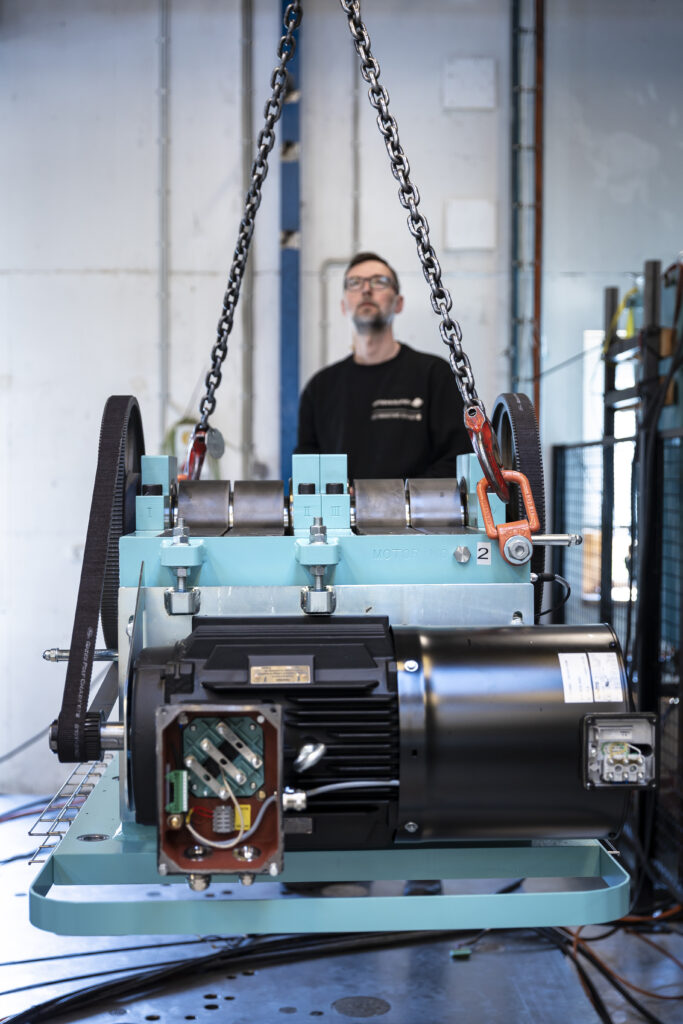
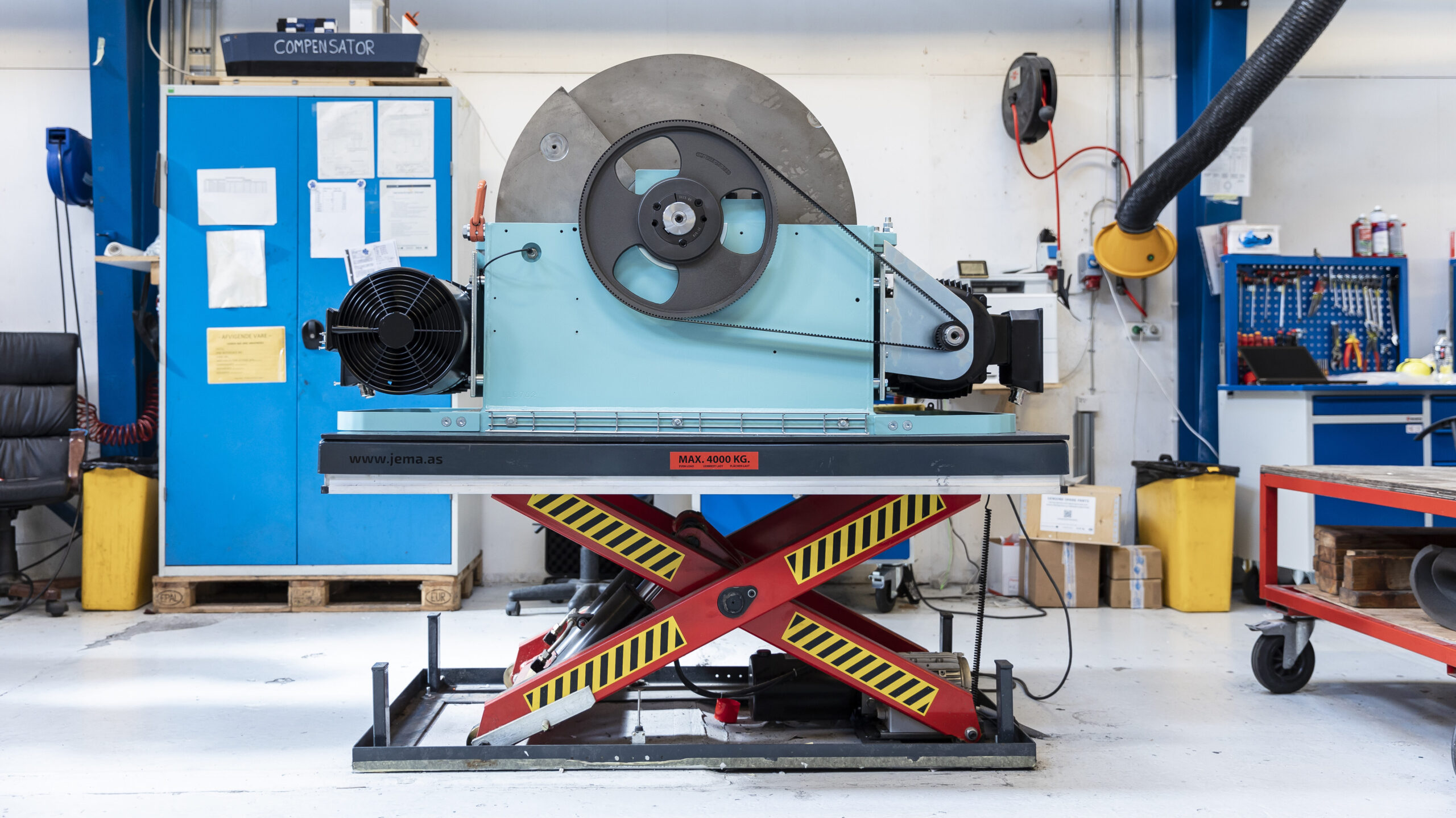
One of the most effective ways to eliminate vibrations is to install marine compensators.
G&O Compensators are engineered to:
- Counteract dynamic forces generated by the main engine
- Reduce vibration levels by up to 80%
- Protect piping systems and critical components
- Stabilise vessel operation across varying loads and speeds
By addressing vibrations at their source, compensators provide a long-term, energy-efficient solution with minimal maintenance requirements.
Proven Results: From Vibration to Stability
Real-life installations demonstrate the measurable impact of effective vibration control.
On a container vessel experiencing severe engine vibrations, levels exceeding 7 mm/s RMS were reduced by over 89% following the installation of a G&O compensator.
The result:
- Significant reduction in structural stress
- Improved equipment reliability
- Noticeable improvement in onboard comfort
As described by crew members, the difference was not only visible in data it was physically felt throughout the vessel.
Why Eliminating Vibrations Is a Competitive Advantage
In today’s maritime industry, vibration control is no longer optional it is a strategic necessity.
By eliminating harmful engine vibrations, shipowners can achieve:
- Lower maintenance costs
- Extended equipment lifespan
- Improved fuel efficiency
- Enhanced crew well-being
- Increased operational reliability
Ultimately, effective vibration management contributes directly to both safety and profitability.
Take Control of Your Vessel’s Vibrations
If your vessel is experiencing excessive engine vibrations or if you want to prevent future damage addressing the issue early is critical.
Contact our team to learn how we can support your vessel’s performance, reliability, and crew well-being.