Top 5 Causes of Engine Vibrations on Ships (And How to Fix Them)
Engine vibrations are a common challenge in modern shipping. While some level of vibration is unavoidable in large marine engines, excessive engine vibration can cause structural fatigue, damage to piping systems, increased maintenance costs, and reduced crew comfort.
For shipowners and technical managers, understanding the root causes of marine engine vibration is essential for protecting vessel performance and ensuring safe operations.
In this article, we explore the five most common causes of engine vibrations on ships and how modern vibration mitigation technologies can eliminate the problem at its source.
What Are Engine Vibrations?
Engine vibrations occur when mechanical forces generated by a ship’s propulsion system create oscillations that propagate through the vessel’s structure.
These vibrations typically originate from:
- The main engine
- Rotating components
- Propeller interaction
- Structural resonance in the hull or piping systems
If left unmanaged, engine vibrations can lead to:
- Accelerated wear on machinery
- Fatigue damage in pipes and support structures
- Increased fuel consumption
- Reduced crew wellbeing onboard
For vessels operating at variable speeds or under slow-steaming conditions, vibration issues often become more pronounced due to changing load patterns in the propulsion system.
1. Imbalance in Rotating Components
One of the most frequent causes of engine vibration on ships is imbalance in rotating machinery.
This can occur in:
- Crankshafts
- Turbochargers
- Propeller shafts
- Flywheels
Even a small imbalance can create significant centrifugal forces at high rotational speeds. Over time, this leads to vibrations that travel through the engine foundation and into the vessel structure.
Typical symptoms include:
- Vibrations increasing with RPM
- Uneven wear in bearings
- Noise from rotating components
Regular balancing during maintenance is essential to reduce this type of vibration.
2. Misalignment in the Propulsion System
Misalignment between the engine, gearbox, and propeller shaft is another major contributor to marine engine vibration.
Misalignment can be caused by:
- Hull deformation
- Installation inaccuracies
- Wear in couplings or bearings
- Structural movement over time
Even minor deviations from proper alignment create cyclic forces that generate vibration throughout the drivetrain.
Potential consequences:
- Premature bearing failures
- Increased mechanical stress
- Reduced propulsion efficiency
Precision alignment checks during dry dock and major maintenance are critical to preventing these issues.
3. Poor Engine Mounting or Structural Support
Marine engines generate powerful dynamic forces that must be properly absorbed by the vessel’s structure.
If engine mounting systems are insufficient, vibration energy can transfer directly into:
- Pipe systems
- Deck structures
- Accommodation areas
This not only increases the risk of structural fatigue but can also negatively affect crew health and comfort.
In many cases, vibration issues become visible in piping systems where excessive movement leads to fatigue cracks or leaks.
4. Second-Order Forces from Two-Stroke Engines
Large two-stroke marine engines generate strong second-order excitation forces due to piston movement and combustion dynamics.
These forces are especially significant in:
- Large container vessels
- Tankers
- Bulk carriers
When these forces interact with the vessel’s structural frequencies, they can produce powerful vibration patterns that propagate throughout the ship.
Ship operators often observe these vibrations at specific engine RPM ranges where resonance occurs.
5. Structural Resonance in the Vessel
Resonance occurs when the frequency of engine-generated forces matches the natural frequency of the vessel structure.
When this happens, vibration amplitudes can increase dramatically.
Common resonance areas include:
- Engine room structures
- Piping systems
- Deck plates
- Accommodation areas
This phenomenon is one of the most challenging ship vibration problems to solve because the vibration is amplified by the structure itself.
How Engine Vibrations Are Measured
Before vibration problems can be solved, they must be properly analysed.
Modern ship vibration analysis typically includes:
RMS vibration measurements
Used to quantify overall vibration levels across different components.
Motion amplification technology
High-speed cameras visualise vibration patterns in real time, helping engineers identify the root cause.
Sea trials and operational testing
Measurements are taken at different engine loads and speeds to detect resonance zones.
These tools allow engineers to identify exactly where vibration energy originates and how it propagates through the vessel.
How to Reduce Engine Vibrations on Ships
Once the root cause is identified, several solutions can be implemented:
- Dynamic balancing of rotating parts
- Precision shaft alignment
- Structural reinforcement
- Vibration isolation systems
- Installation of marine compensators
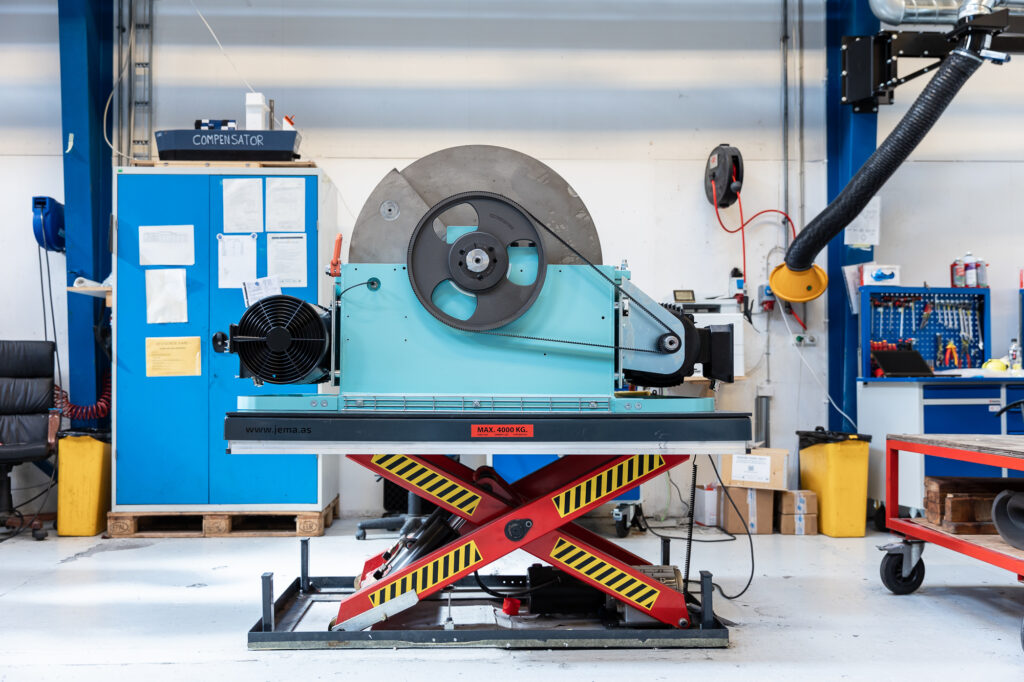
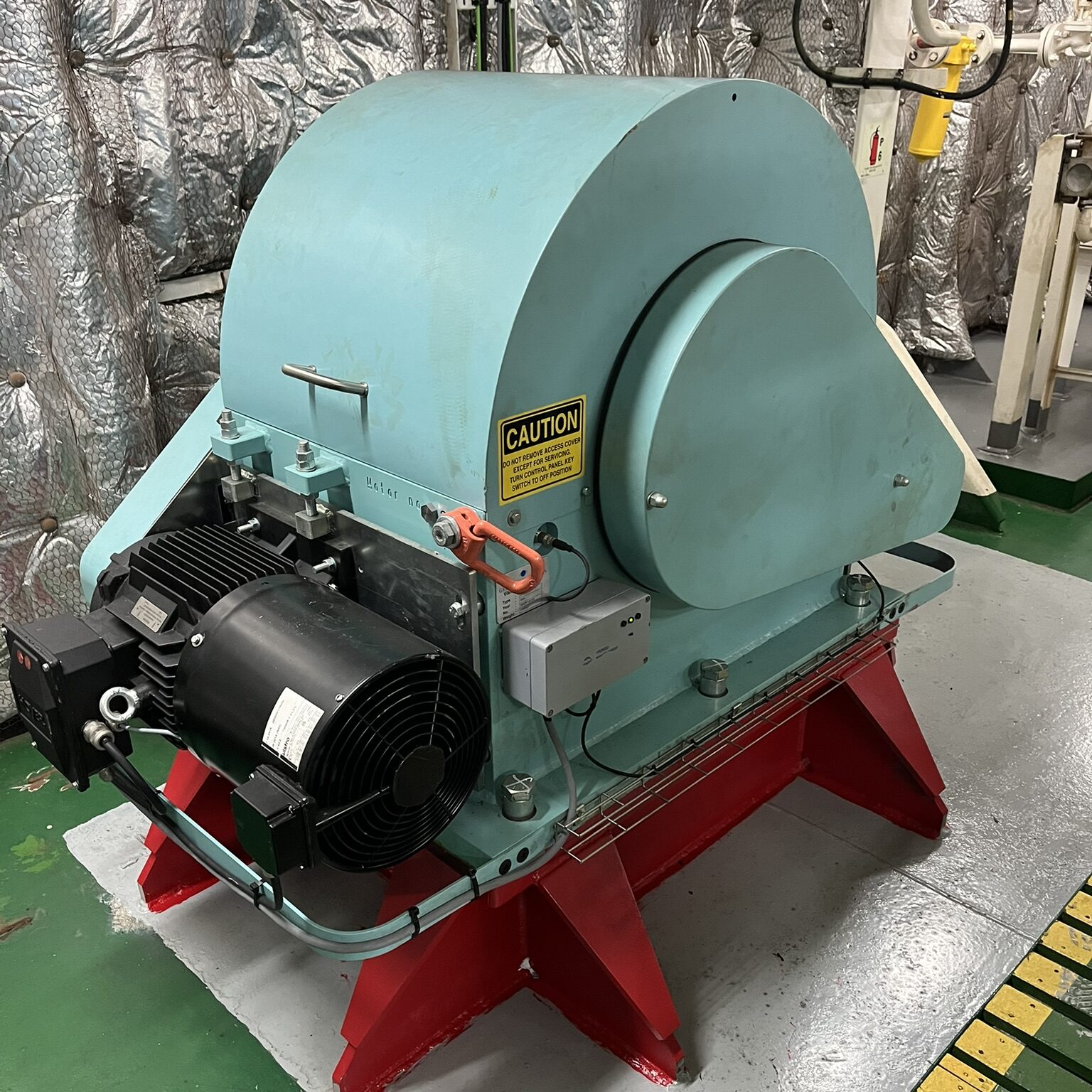
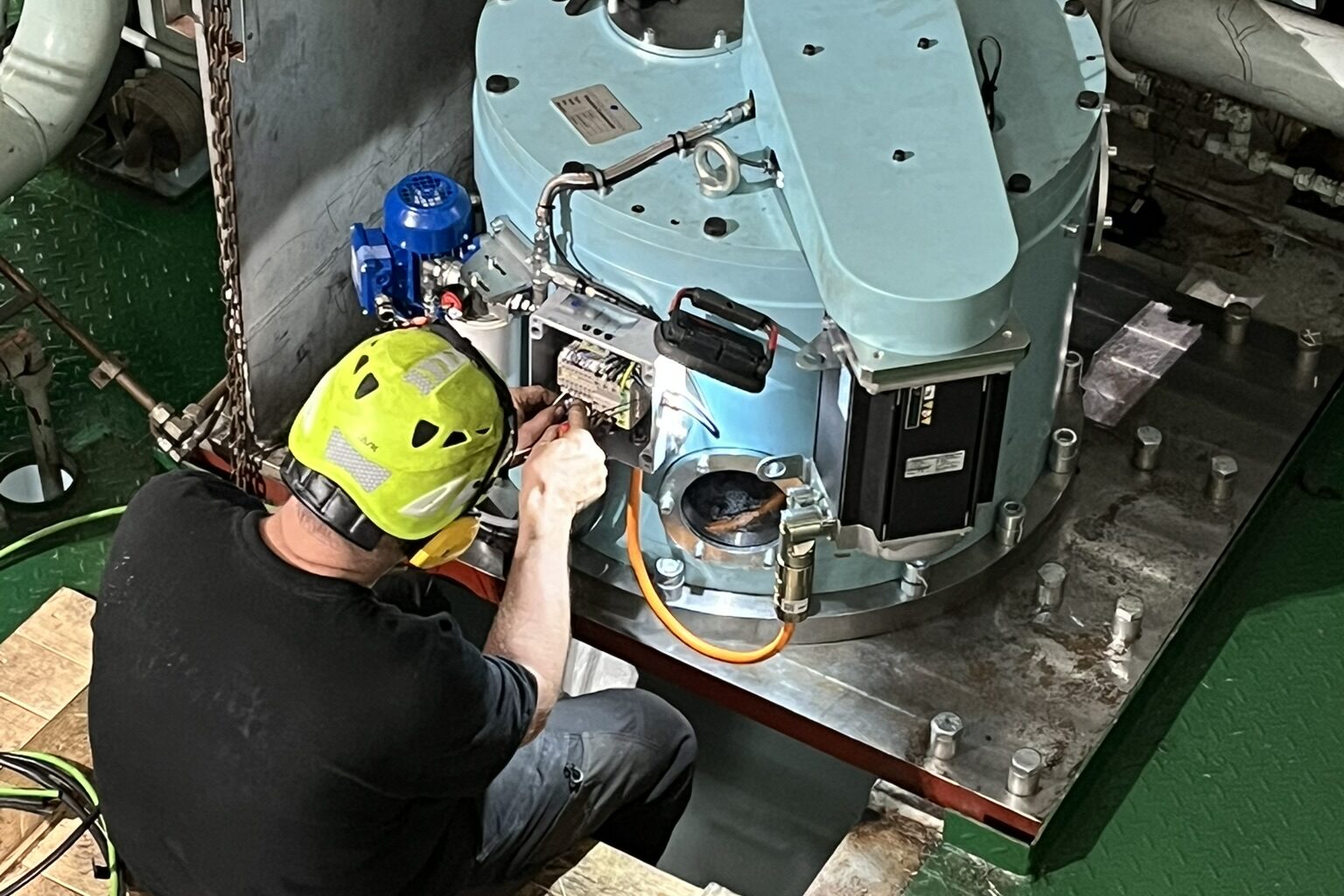
One of the most effective solutions is installing an engine vibration compensators designed to absorb and counteract harmful oscillations before they spread through the ship.
By targeting the vibration source directly in the piping system, compensators can significantly reduce vibration amplitudes and protect critical infrastructure.
In several installations, vibration levels have been reduced by up to 89%, improving both operational stability and crew comfort.
Eliminating Engine Vibrations with G&O Compensators
G&O Compensators are specifically engineered to address vibration challenges in large marine engines.
Their systems help shipowners:
- Eliminate harmful engine vibrations
- Protect piping systems from fatigue damage
- Reduce maintenance and repair costs
- Improve crew comfort onboard
- Extend the lifespan of critical equipment
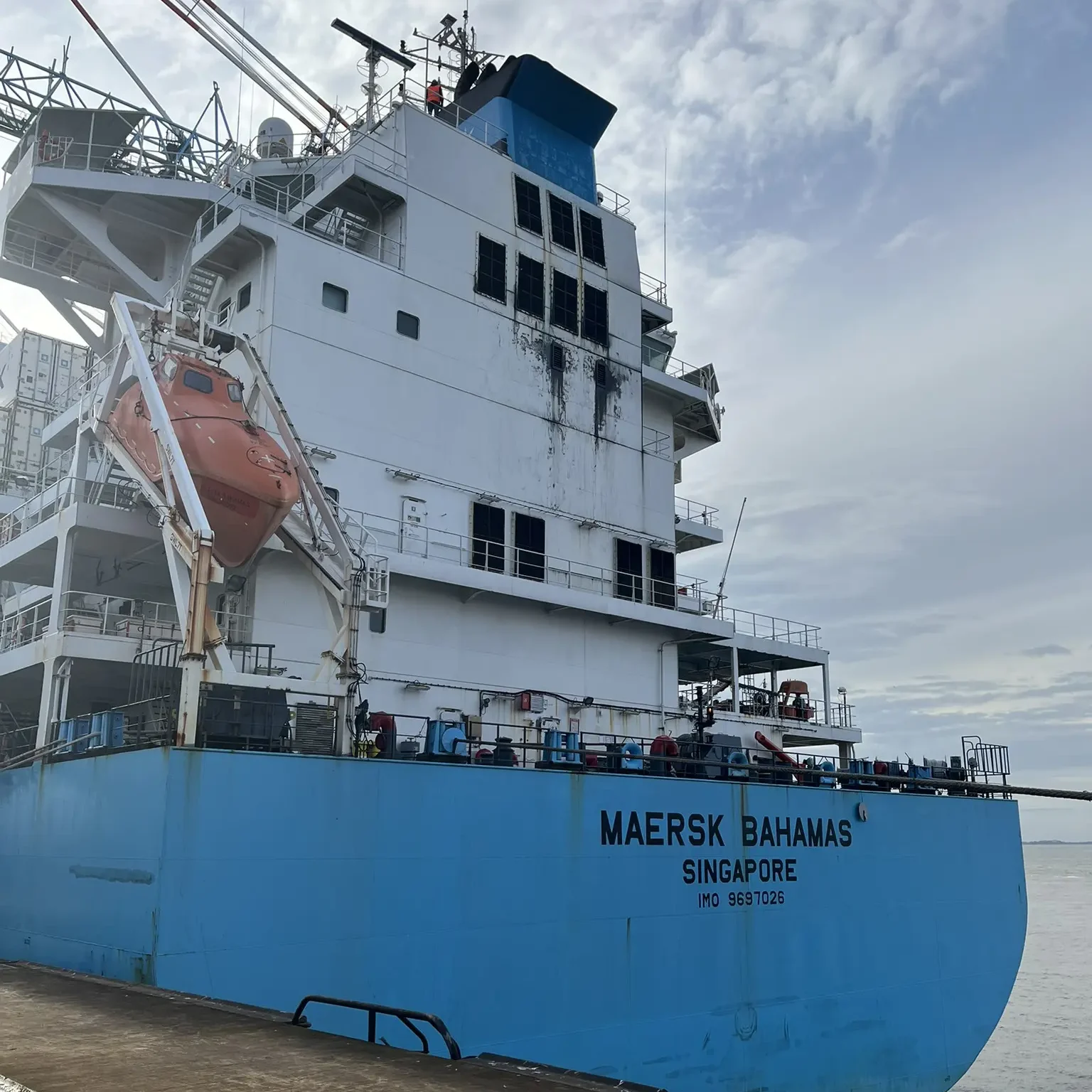
With more than 1,300 compensators installed globally, the technology has proven effective across container vessels, tankers, and bulk carriers.
In one recent installation, engineers and crew reported that the reduction in vibration was not only visible in measurement data — it was something they could physically feel throughout the vessel.
Learn How to Eliminate Ship Vibrations
If your vessel experiences excessive engine vibration, the problem can often be solved at the source.
Explore how advanced compensator technology can eliminate harmful vibrations and improve vessel performance.
Learn more: Watch our compensators Eliminate Vibrations on ship | Learn more