
Stop Treating the Symptoms: Address Ship Vibrations at the Root Cause
When excessive vibrations occur on board a vessel, the effects are often easy to recognise. Vibrating pipework, structural movement, increased wear, uncomfortable accommodation areas or restrictions at certain engine speeds can all indicate a vibration problem.
But the visible symptoms do not necessarily tell you where the problem originates.
The key question is: Are you solving the vibration problem, or simply managing its symptoms?
Traditionally, ship vibration challenges have often been accommodated through structural reinforcement, additional steel, operational restrictions or repairs to components affected by vibration.
These measures can reduce the immediate consequences. However, they do not necessarily remove the forces creating the vibration in the first place.
Effective vibration management therefore starts somewhere else: identify the source, understand the vibration and address the forces behind it.
Why treating vibration symptoms is not enough
Consider a car with front wheels that begin to shake at a certain speed. You could slow down, reinforce parts of the vehicle or continue replacing components affected by the shaking. But the fundamental problem would remain.
The same principle applies on board a vessel.
Vibrations originating from the engine or propulsion system can propagate through the vessel structure and affect pipework, machinery, structural components and accommodation areas. As a result, the symptoms may appear far away from the actual source.
Repairing a cracked pipe, strengthening a support or avoiding a problematic RPM range may therefore solve an immediate operational issue without addressing the underlying excitation.
Over time, this can create an ongoing cycle:
Breaking that cycle requires an understanding of what is actually causing the vibration.
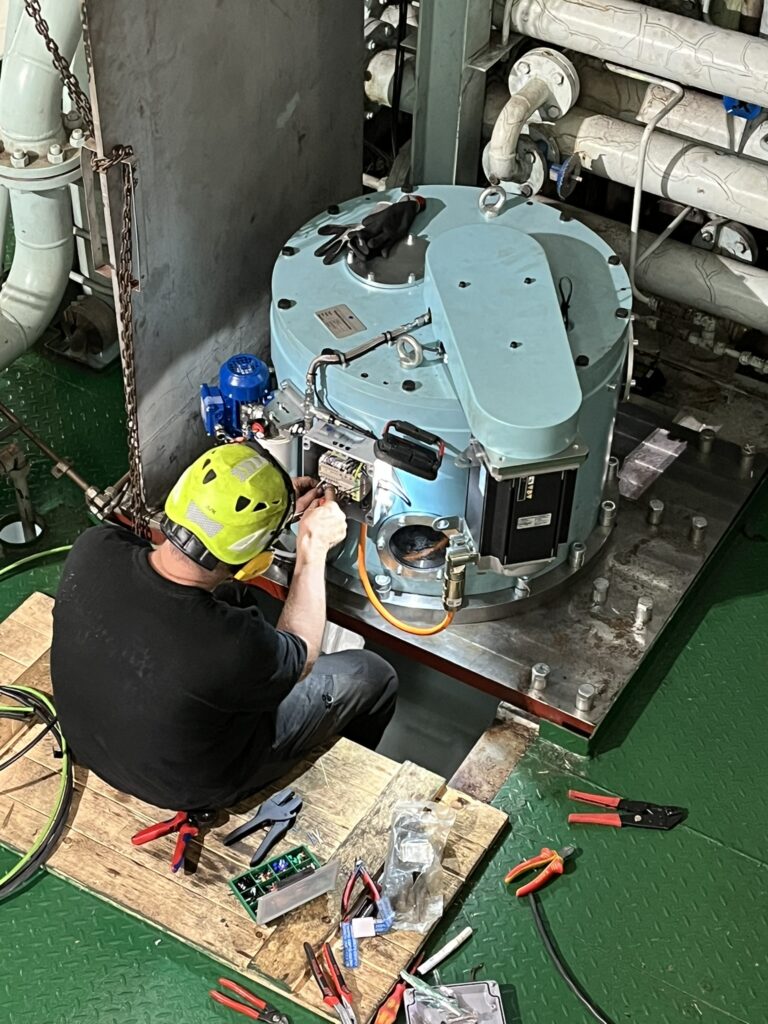
First understand what is causing the vibration
There is no single cause of ship vibration.
Vibration can originate from rotating components, propulsion system behaviour, structural resonance and the dynamic forces generated by large two-stroke engines. Propeller interaction and changing operating conditions can also influence how vibration behaves throughout a vessel.
This is why effective vibration control should begin with ship vibration analysis.
Measurements help determine important characteristics such as vibration frequency, amplitude and direction. Motion amplification and visualisation can provide an additional perspective by making vibration patterns that are otherwise difficult to observe clearly visible.
Together, these insights provide the technical basis for determining what is generating the vibration and how it can be addressed.
Rather than asking only where the vessel is vibrating, the analysis should ask:
- What force is creating the vibration?
- At what frequency does it occur?
- In which direction is the force acting?
- How does it change across different operating conditions?
- How can the force be effectively counteracted?
Answering these questions turns vibration control from symptom management into an engineering process.
From reactive repairs to proactive vibration management
A root-cause approach is relevant to both newbuilds and vessels already in operation.
For existing vessels experiencing vibration problems, measurements and vibration analysis can identify problematic vibration patterns and establish the technical basis for a targeted retrofit solution.
Instead of repeatedly reinforcing structures or repairing components affected by vibration, the objective is to counteract the excitation responsible for the problem.
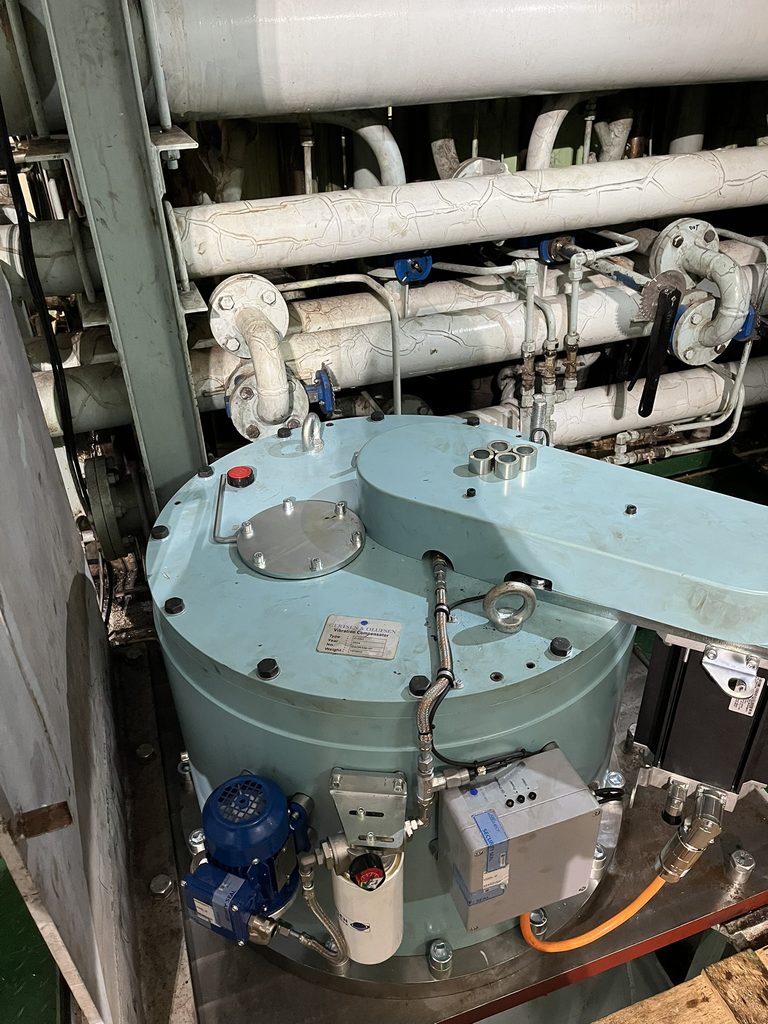
Where a vibration compensator is the appropriate solution, installation is followed by measurements and sea trials. This allows the compensator to be calibrated according to the vessel’s actual operating parameters and the vibration forces that need to be addressed.
The result is a more targeted approach to vibration management, based on the behaviour of the individual vessel rather than the symptoms alone.
Don’t ask only where the vessel is vibrating. Ask why.
When a pipe is moving excessively, a structure is resonating or the crew experiences uncomfortable vibration, the visible movement is only part of the story.
Finding the root cause means looking beyond what is moving and understanding why it is moving.
At G&O Compensators, we combine ship vibration analysis, application knowledge and proven compensator technology to identify vibration challenges and develop solutions tailored to the individual vessel.